

Gain Career Advancement by Learning How to Move Up at Work
Two employees put in the hours, execute excellent work, and achieve results for their company. But only one advances to the next level, while the other faces the frustration of being overlooked for a work promotion once again. So what, exactly, makes one person more successful than another? How does one person know how to get ahead at work and the other doesn’t? The answer: leveraging and applying perception, visibility, and influence better than anyone else. The leadership coaching Joel delivers in his book Getting Ahead will help you stop leaving the fate of your career in someone else’s hands and determine your own future using these three critical skills. This is the key to achieving career advancement.
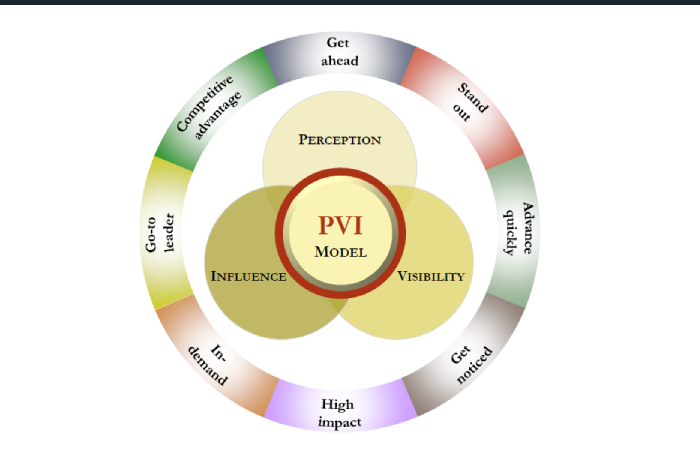
Signature PVI Model – Perception, Visibility, and Influence
In his book, Getting Ahead, top executive coach Joel Garfinkle reveals his signature PVI model — Perception, Visibility, and Influence. Through practical advice, true-to-life examples, and action-oriented tips, you’ll learn how to create the right image, increase your profile across your organization, and exert influence by driving change and inspiring people. This book is the most effective and efficient way to gaining advancement in your career.
The most effective tools and tactical approaches to getting ahead at work
The Getting Ahead book gives you the effective tools and tactical approaches that you can implement immediately to become an invaluable—and noticeable—resource for your company.
How to get ahead at work: 5 questions for Joel Garfinkle
Daniel H. Pink is the author of 3 New York Times bestsellers, A Whole New Mind, Drive, and To Sell is Human. Dan’s books have been translated into 34 languages and have sold more than 2 million copies worldwide. Dan asked Joel five questions about Getting Ahead. Read Joel’s answers here.
What’s inside the Getting Ahead book?
-
4-Step Perception management process
Summaries of the four steps in the perception management process to evaluate how you are perceived and change that perception, if necessary.
-
Step-by-step guide to leading with influence
A step-by-step guide for becoming a master influencer who understands the needs of executives up the ladder, empowers subordinates, and builds relationships with peers.
-
Advocates learn to speak up on your behalf
Instructions on how to identify and recruit advocates who will speak up on your behalf.
-
What is limiting and undermining your career advancement
Methods to discover the mind-sets that are stunting your growth and career advancement.
-
Overcome the fear of the spotlight
Directions on how to overcome the fear of the spotlight and look for leadership opportunities.
-
Proven process for speaking up
The importance of speaking up, speaking first, and speaking often in meetings.
-
Highest level leaders know how you are
A summary of techniques you can use to get your name circulating among higher levels of management so that others know you, see your results, and acknowledge the impact you bring to the company.
Gain the work promotions you deserve
Getting Ahead will put you out in front of the competition. You’ve done the hard work, now learn how to reap the rewards. Become the successful leader you are capable of being. The path to career success and work promotions starts with this Getting Ahead book.

Read this book…common sense advice to advance your career.
I recommend this book with great enthusiasm.
A must-read for anyone looking to turbocharge his or her career.
Getting Ahead delivers.
An essential guide for anyone wishing to take charge of their careers.
An indispensable, professional advancement handbook for leaders at every level.

Good ambition is a great asset. This book helps you put that ambition to work.
The book is chock full quotes, cases, ideas, and tools.
Joel Garfinkle offers smart strategies to stand out from the crowd… I like this book.
Joel Garfinkle provides practical, actionable ideas you can use to get ahead. The book delivers on its promise.
Table of Contents
Foreword by Marshall Goldsmith
Marshall Goldsmith is an author with many years of executive coaching and corporate coaching experience. He’s written 23 books and been named by the American Management Association as one of 50 great thinkers and leaders who have influenced the field of management over the past 80 years.
Introduction
Part I: Improve Your Perception — Take Control of How Others See You
Perception begins to form from the very first encounter, and it is the first area that Joel’s clients usually need to work on. How other people see you has a direct impact on your career success. In part one, you will discover 3 key points to apply to:
- Power of Perception
- Seven Influencers on Perception
- The Four-Step Perception Management Process
Part II: Increase Your Visibility — Stand Out and Get Noticed by the People Who Matter Most
If you are not visible, you’re invisible. In this second section, Joel teaches personal and practical application techniques to help you showcase your talents, skills, results, value, and overall impact to stand out from the crowd and advance your career. Part 2 teaches you how to:
- Up Your Visibility
- Promote Your Success
- Speak Up, Speak First, and Speak Often
- Raise Your Profile
Part III: Exert Your Influence — Lead Situations, People, and Events
Having influence means having the power to alter or change a situation for the better. When you implement the third section’s tips, your personal influence in your work can have a real impact on your organization—and help you get ahead. Part 3 teaches you to:
- Lead through Influence
- Be Influential Now
- Become a Master Influencer
Purchase Getting Ahead to gain access to this cutting-edge executive advancement resource.